Movie Division
Core AI Movie Production Technology
A production structure from story input to final film delivery
The core technology of the Movie Division is an AI movie production system that structures a customer’s story and combines scene-by-scene scenarios, images, video, voice, music, subtitles, and edited outputs in stages.
- The customer questionnaire organizes characters, events, emotions, purpose, video length, and disclosure scope.
- AI scenario writing structures the full narrative arc and scene order.
- Image generation, video generation, voice dubbing, background music, and subtitles are combined scene by scene.
- The final edited version can be delivered for weddings, events, corporate presentations, online promotion, or personal archiving.


Proposal and Event Films


Emotional films for confessions, weddings, and anniversaries
Proposal and event films turn a couple’s first meeting, memories, conflicts, promises, and future into a cinematic flow suitable for event screening.
- Applicable to proposals, weddings, engagements, anniversaries, and birthday events.
- Photos and short videos are expanded into AI scenes to create a cinematic mood.
- Letters, narration, music, and subtitles are combined to strengthen emotional delivery.
Family Films
Films that preserve family history and memories
Family films record parents’ lives, children’s growth, family gatherings, 60th, 70th, and 80th birthdays, family trips, and memorial messages as visual products that preserve memories across generations.
- Family photos, old videos, interviews, voice recordings, and letters can be used as source materials.
- Scenes by generation, family relationships, and important events are arranged chronologically.
- It can be produced for family event screening, personal archiving, or online sharing.


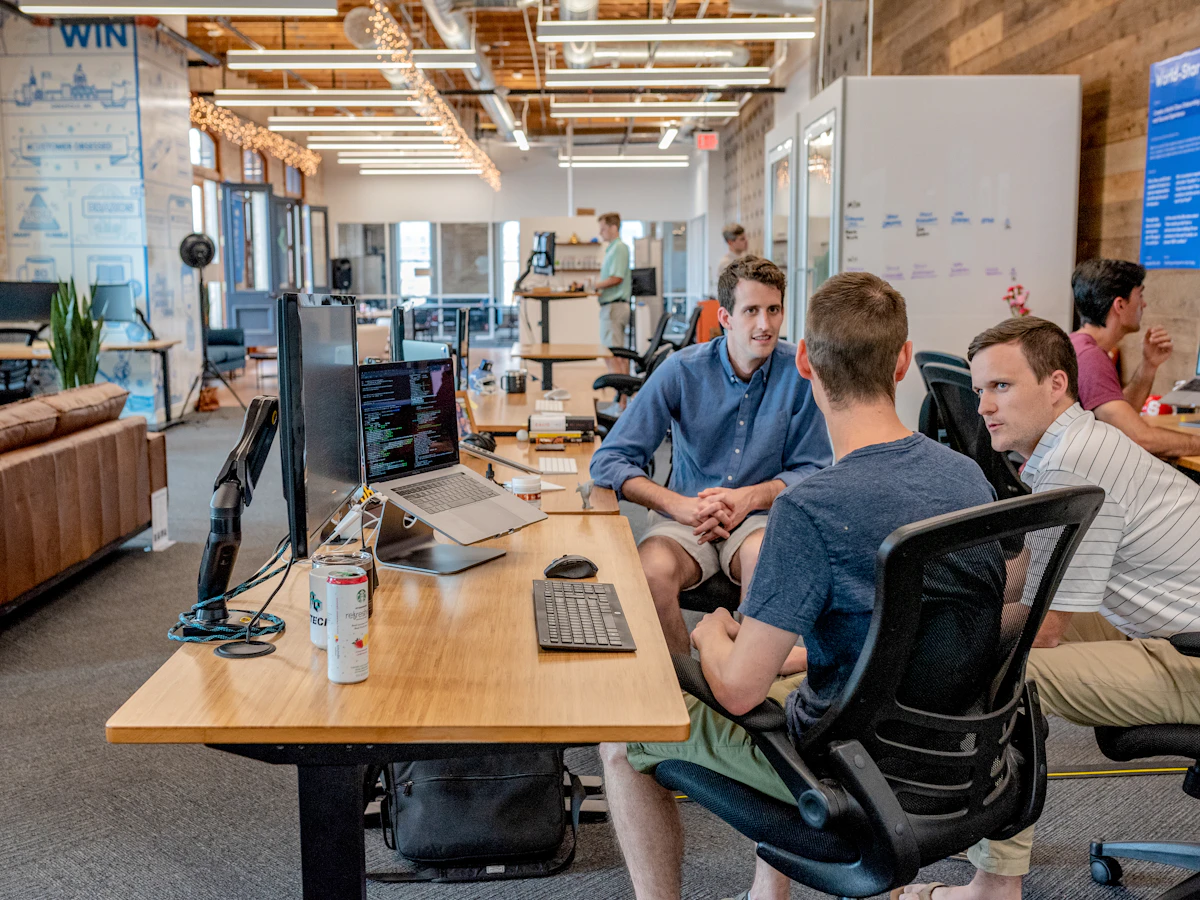
Corporate and Organization Films

Company introduction, product promotion, and vision presentation films
Corporate and organization films communicate founding background, technology, products, culture, customer cases, and future vision to investors, customers, employees, and partners.
- It can be expanded into company introduction videos, product explanation videos, investor presentation videos, and recruiting videos.
- Technical materials, photos, product images, and employee interviews are connected into a cinematic narrative.
- It can be used for exhibitions, websites, YouTube, investor meetings, and internal training.
education and training film
Training content that turns educational materials into video scenarios
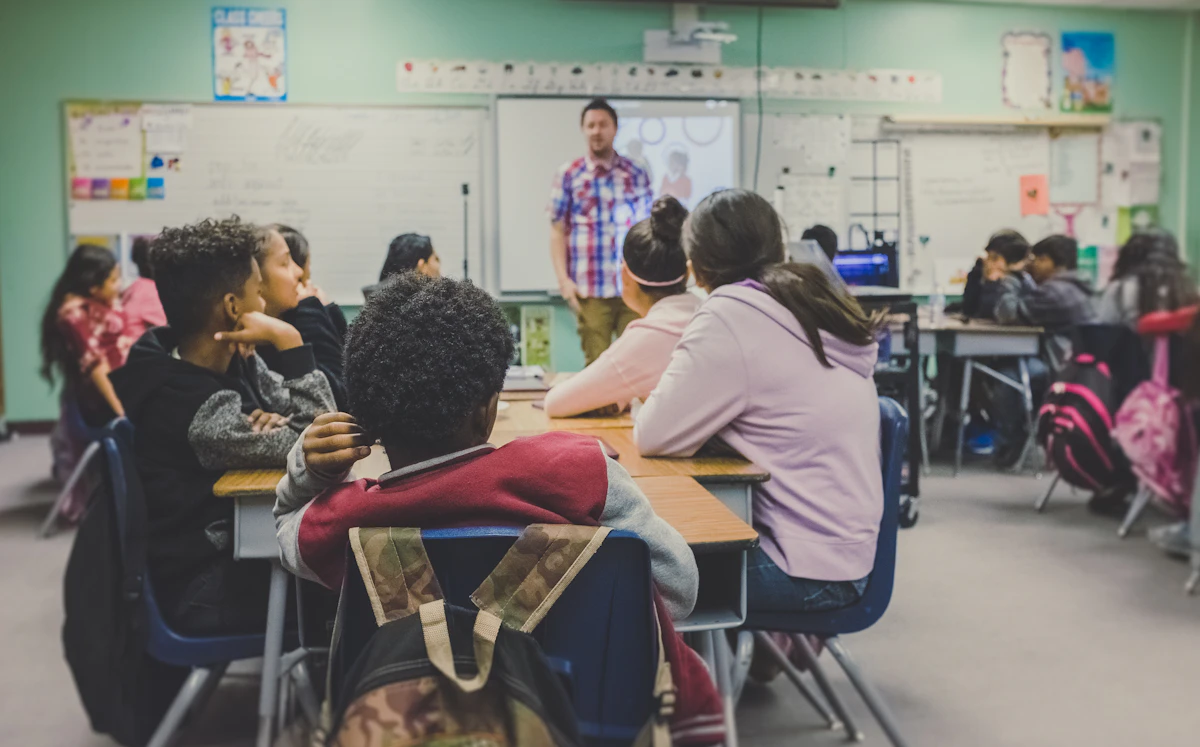
Education and training films turn knowledge delivery, job training, safety education, product usage, and practical procedures into easy-to-understand learning videos with scenes and narration.
- Applicable to corporate education, school education, job training, and safety education.
- Complex procedures are explained through step-by-step scenes and subtitles.
- It can be used for repeated learning, online lectures, and internal training materials.

Marketing and Advertising Films

Advertising films that deliver brand messages through stories
Marketing and advertising films do not merely explain product functions; they deliver a brand’s problem awareness, customer experience, usage scenes, and emotional value as one story.
- It can be structured as product advertising, brand films, customer case videos, and campaign ads.
- It can be adapted into short ads, detailed explainers, series formats, and SNS short-form videos.
- It can be used for corporate websites, online stores, exhibitions, SNS, and YouTube promotion.
Social Message and Campaign Films
Films that deliver public-interest messages and social value
Social message and campaign films organize social topics such as environment, safety, human rights, education, local communities, and cultural preservation into stories and visual scenes that the public can easily understand.
- Applicable to public-interest campaigns, NGO promotion, local government promotion, and educational campaigns.
- It is structured around problem presentation, case examples, solution direction, and calls for participation.
- It can be used for event screenings, online distribution, educational materials, and press-release videos.


Personalized Storytelling Films


Personal works that turn one person’s story into a film
Personalized films create visual works in which an individual becomes the main character, based on life, goals, failures and recovery, messages of gratitude, and future dreams.
- Autobiographical films, video letters, gratitude films, challenge records, and future scenarios can be produced.
- Photos, diaries, voice recordings, interviews, and personal videos can be used as source materials.
- The final work can be selected for personal archiving, family sharing, event screening, or online release.
Movie Production Process
| Stage | Main Content | Deliverables | Review Criteria |
|---|---|---|---|
| Stage 1 | Consultation and questionnaire | Purpose, characters, events, tone, and length summary | Confirm the customer’s desired film direction |
| Stage 2 | Material collection and organization | Photos, videos, voice, documents, and music preferences organized | Confirm the list of usable source materials |
| Stage 3 | AI scenario development | Scene outline, dialogue, narration, and emotional flow | Revise after customer review |
| Stage 4 | Image, video, and voice generation | Scene images, video clips, dubbing, and music | Review quality and message by scene |
| Stage 5 | Editing and final delivery | Final version, subtitled version, event screening version, online distribution version | Deliver after final review |